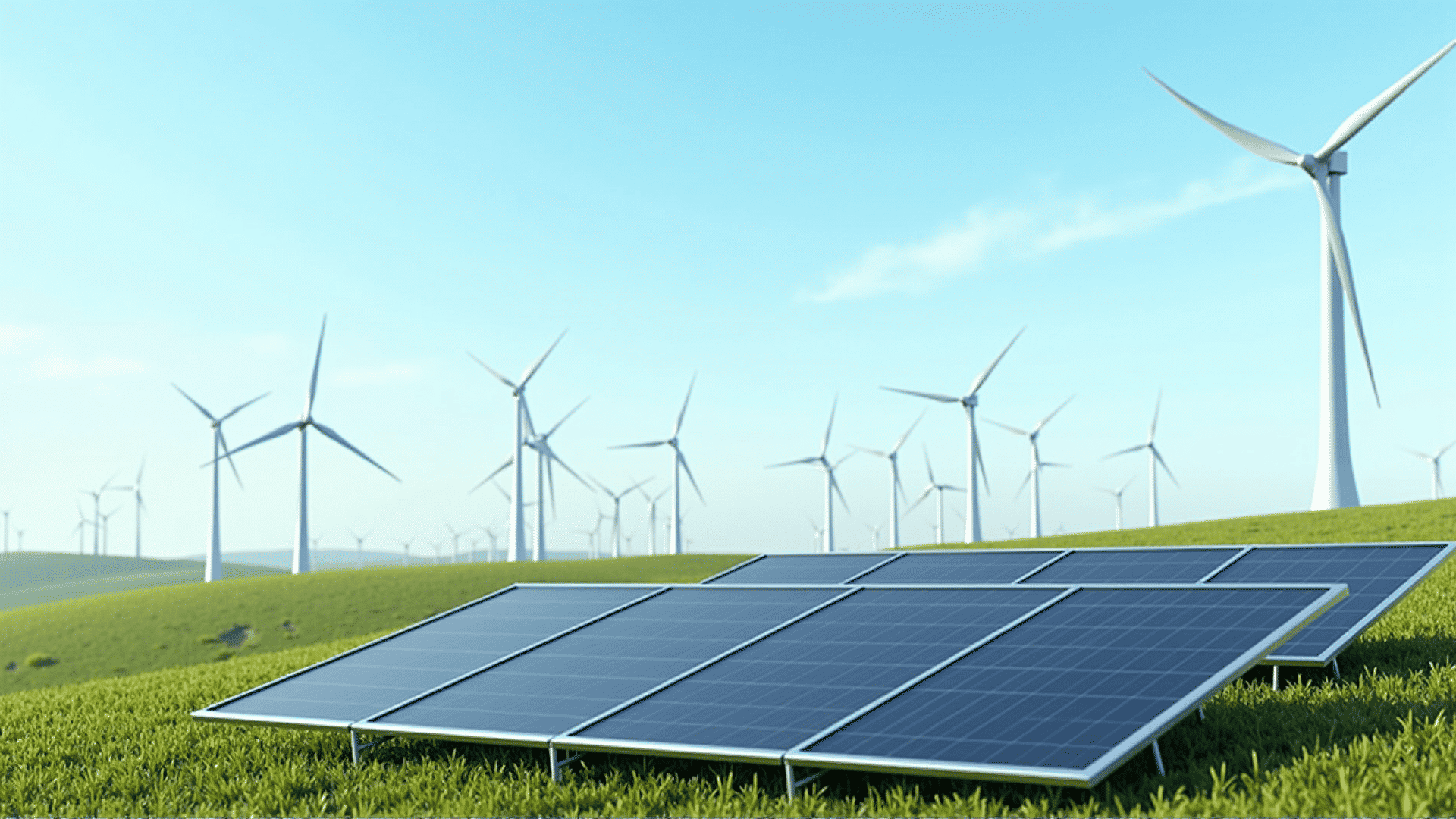
In recent years, the quest for sustainable and clean energy has become more pressing than ever, driven by the urgent need to combat climate change and reduce our reliance on fossil fuels. Among the frontrunners in this endeavor are solar and wind energy technologies, which continue to evolve at a rapid pace, promising to make renewable energy more accessible, efficient, and affordable for everyone.
One of the most promising developments in solar energy is the advancement in photovoltaic cell technology. Traditional silicon-based solar cells, while widely used, have limitations in terms of efficiency and cost. However, a new player in the market, perovskite solar cells, is showing great potential. These cells are not only cheaper to produce but also more efficient in converting sunlight to electricity. Recent research has led to significant improvements in the stability and durability of perovskite cells, paving the way for their commercial viability. Additionally, innovations such as tandem cells, which layer different types of solar cells to capture more of the solar spectrum, are pushing efficiency rates even higher.
Moreover, the integration of solar energy into various aspects of daily life is becoming more seamless. Building-integrated photovoltaics (BIPV) are now a popular choice for new constructions, transforming windows, facades, and rooftops into power-generating systems. This not only supports energy production but also enhances building aesthetics and functionality. Alongside this, advancements in energy storage solutions are enabling solar power to be stored more efficiently, ensuring a stable electricity supply even when the sun isn't shining.
Wind energy, another pillar of the renewable landscape, is also experiencing groundbreaking advancements. The development of larger, more efficient wind turbines has significantly increased the capacity of wind farms. Offshore wind technology, in particular, is gaining momentum, with floating wind farms being deployed in deeper waters where winds are stronger and more consistent. This not only increases the potential energy output but also minimizes land use conflicts and visual impact issues associated with onshore wind farms.
Furthermore, the use of artificial intelligence (AI) and machine learning in managing wind energy resources is revolutionizing the industry. These technologies enable better prediction models for wind patterns and maintenance schedules, optimizing operations and reducing downtime. Such efficiencies can dramatically lower the cost of wind-generated electricity, making it more competitive with other forms of power generation.
Another exciting development is the synergy between solar and wind energy technologies. Hybrid renewable energy systems that combine both solar and wind power are being deployed to maximize energy capture and reliability. These systems take advantage of solar energy during the day and wind energy at night or during cloudy weather, ensuring a consistent power supply.
As these innovations unfold, the economic implications are significant. The decreasing cost of renewable energy technologies is expected to bring about a seismic shift in global energy markets. This trend encourages increased investment and adoption, fostering energy independence and sustainability.
In conclusion, the rapid advancements in solar and wind energy technologies offer a glimpse into a future where clean, renewable power is not only viable but integral to our energy infrastructure. These breakthroughs promise to bridge the gap between current capabilities and the ambitious targets set for greenhouse gas reduction, marking a pivotal step in our fight against climate change and our transition to a greener, more sustainable world.