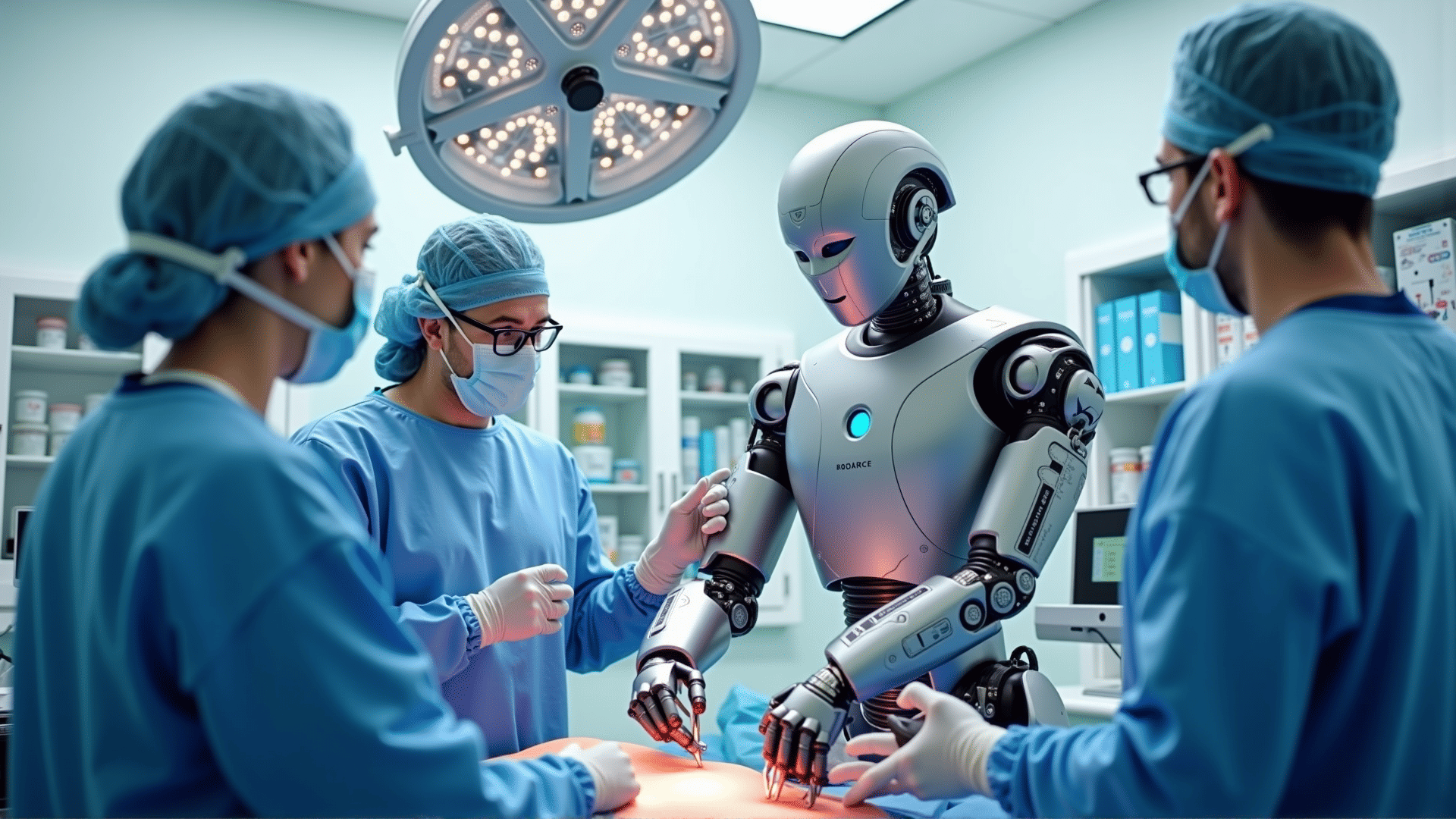
The integration of robotics in healthcare is revolutionizing the way medical services are delivered, marking a new era of patient care. With state-of-the-art robotics and innovative automation, healthcare is witnessing unprecedented improvements in efficiency, precision, and overall patient outcomes.
One of the most transformative applications of robotics in healthcare is robotic surgery. Surgical robots enhance the capabilities of human surgeons, allowing for minimally invasive procedures that bring a host of benefits. Through the use of high-definition visuals and robotic arms that offer exceptional precision, surgeons are able to perform complex surgeries with smaller incisions. This advancement reduces the recovery time, minimizes surgical pain, and lowers the risk of infections for patients, thereby significantly improving the quality of care.
In addition to surgical applications, robotics is making vast strides in rehabilitation and therapy. Robotic exoskeletons and prosthetics are transforming the lives of patients with mobility challenges. These robotic aids provide the necessary support and enhance the physical capabilities of patients, thereby promoting independence and improving their quality of life. Such technologies are particularly beneficial for individuals recovering from strokes or dealing with conditions like spinal cord injuries, offering them a path back to normalcy with enhanced mobility.
Robotics in healthcare also encompasses robotic assistants that support healthcare professionals in various tasks, thereby reducing their workload and minimizing human error. For instance, robots can automate routine tasks such as drawing blood, room sanitization, and medication dispensing. This increased efficiency allows healthcare providers to allocate more time and resources to patient care, thereby enhancing the overall healthcare experience.
Moreover, automation in administrative tasks is streamlining processes and increasing hospital efficiency. With the help of robots, complex data can be processed swiftly, allowing for faster patient admissions and discharge processes. This reliability and speed in data handling ensure that valuable information is readily available for medical teams, facilitating informed and timely decisions.
Another innovative use of robotics is in telemedicine. Robotic systems equipped with cameras, screens, and conferencing technology enable remote consultations, bridging geographical gaps between patients and specialists. This is especially beneficial in rural or underserved areas where access to medical expertise might be limited.
In the era of healthcare marked by a higher incidence of chronic diseases and the increasing demand for personalized care, robotics provides a foundation for more tailored treatment plans. The precision and repeatability of robotic systems make them ideally suited for tasks that require consistent high-quality care.
Despite the many advantages, the integration of robotics in healthcare does come with challenges, including high costs and the necessity for comprehensive training for healthcare personnel. However, as technology continues to evolve and become more accessible, it is expected that these barriers will diminish, leading to more widespread adoption.
In conclusion, robotics and automation are reshaping healthcare, offering innovations that improve patient care, enhance the efficiency of healthcare systems, and provide new opportunities for patient engagement and empowerment. The future of healthcare looks promising with robotics playing a pivotal role, leading to a healthier world where high-quality care is more accessible and effective than ever before.