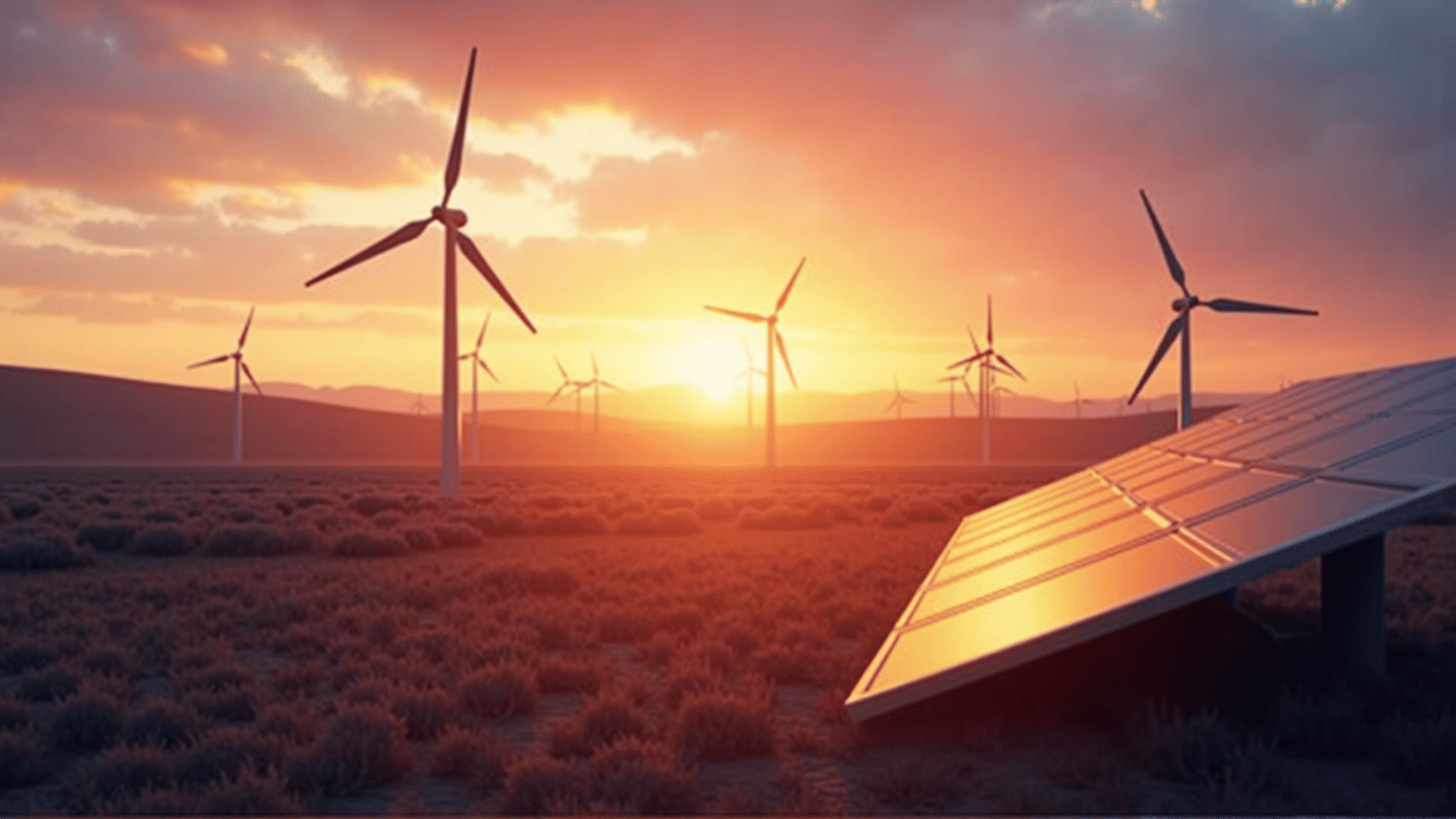
Amidst growing concerns about climate change and dwindling fossil fuel resources, the quest for sustainable energy solutions has never been more critical. As societies accelerate efforts towards a greener future, innovative clean energy technologies pave the way for a more sustainable and environmentally responsible world.
One of the most promising areas of sustainable energy is solar power. Over the past decade, advancements in photovoltaic technology have dramatically decreased the cost of solar panels while increasing their efficiency. From large solar farms to residential rooftop installations, solar energy harnesses the sun's abundant power and transforms it into usable electricity without emitting greenhouse gases. Emerging technologies, such as bifacial solar panels and solar-powered grids, continue to push the boundaries of what is possible, making solar energy more accessible and efficient.
Wind energy also plays a crucial role in the transition toward a sustainable future. The efficiency and capacity of wind turbines have significantly improved, allowing them to capture more energy from breezes and gales. Offshore wind farms, which capitalize on the strong and consistent winds over oceans, exemplify the potential for expanding wind energy production without compromising valuable land resources. Additionally, innovations like vertical-axis wind turbines present opportunities to bring wind energy into urban areas, further decentralizing the production of renewable energy.
While solar and wind are leading the charge, other renewable technologies are contributing to the clean energy landscape. Geothermal energy taps into the Earth's internal heat, providing a reliable and constant energy source. Countries with significant tectonic activity already demonstrate the feasibility of geothermal plants, using heat from within the Earth to generate electricity and heat homes. On a smaller scale, heat pump systems allow individual homeowners to utilize geothermal energy for heating and cooling, showcasing the technology’s adaptability.
Hydropower also remains an integral part of the sustainable energy mix, particularly in regions with abundant water resources. Recent innovations aim to minimize environmental impacts, with run-of-the-river projects becoming popular alternatives to traditional large-scale dams. These systems generate power by diverting part of a river's flow through turbines without the need for significant water storage or alteration of the natural watercourse, thus preserving aquatic ecosystems and local wildlife.
Furthermore, energy storage technologies are critical to overcoming the intermittent nature of solar and wind power. Advances in battery technology, including lithium-ion and emerging solid-state batteries, offer significant promise for storing renewable energy. These storage solutions allow excess energy generated during peak production times to be used when solar and wind outputs are low, ensuring a steady and reliable energy supply.
Finally, the concept of smart grids is revolutionizing the way electricity is distributed and consumed. By integrating digital technology with traditional power grids, smart grids optimize the supply and demand of energy, reducing waste and enhancing efficiency. They enable better integration of renewable energy sources, ensuring that clean energy flows seamlessly from production sites to end-users.
The push for sustainable energy solutions is more than a necessity—it's a global imperative. By leveraging innovative clean energy technologies, we can significantly reduce our carbon footprint, fostering a healthier planet for future generations. As governments, industries, and individuals unite in this endeavor, the vision of a sustainable future powered by clean energy is becoming an attainable reality, paving the way for a brighter, cleaner, and more sustainable world.